How a Digital Menu Improves the Restaurant Customer Experience
Discover how a digital menu improves the restaurant customer experience through better mobile UX, faster updates, stronger design, and smarter interactive features.
How a Digital Menu Improves the Restaurant Customer Experience
Customer experience in restaurants is no longer shaped only by food quality and service. Today, it also depends on how smooth, modern, and intuitive every interaction feels from the moment a guest sits down to the moment they place an order, leave a review, or decide to come back.
That is why the menu digital has become much more than a practical tool. It is now one of the most visible touchpoints in the dining journey.
A modern restaurant digital menu helps guests browse faster, understand the offer better, access information on mobile without friction, and feel more in control of their choices. When designed well, it reduces confusion, improves perception, strengthens brand identity, and creates a more polished dining experience overall.
In this article, we will explore in depth how a menu digital restaurant transforms the customer experience, why mobile UX matters so much, and what restaurants should do to create a digital menu that feels truly premium.
Customer Experience Starts Before the First Dish Arrives
In many restaurants, the menu is the first real interaction between the customer and the offer. It introduces the products, sets expectations, and influences the pace of decision-making.
If the menu is confusing, outdated, crowded, or hard to read, the experience starts with friction.
If the menu is elegant, clear, and optimized for mobile, the experience starts with confidence.
This is where a strong menu digital changes the game. Instead of serving as a static list of dishes, it becomes part of a broader restaurant experience digital. It supports a customer journey that feels faster, smarter, and more aligned with what guests now expect from modern hospitality.
A well-built menu mobile restaurant experience improves:
readability
ease of navigation
speed of access
confidence in ordering
perception of the restaurant brand
overall convenience
This is especially important in a market where customers are increasingly familiar with seamless digital experiences in retail, travel, banking, and e-commerce. Restaurants are now expected to deliver that same level of usability.
A Digital Menu Removes Friction at the Table
One of the biggest advantages of a menu digital restaurant is friction reduction.
Traditional menus often create small but meaningful problems:
pages are hard to scan
information is buried
updates are inconsistent
specials are not visible enough
allergens may be unclear
mobile access is poor if the menu is only a PDF
A strong menu qr code experience simplifies all of this.
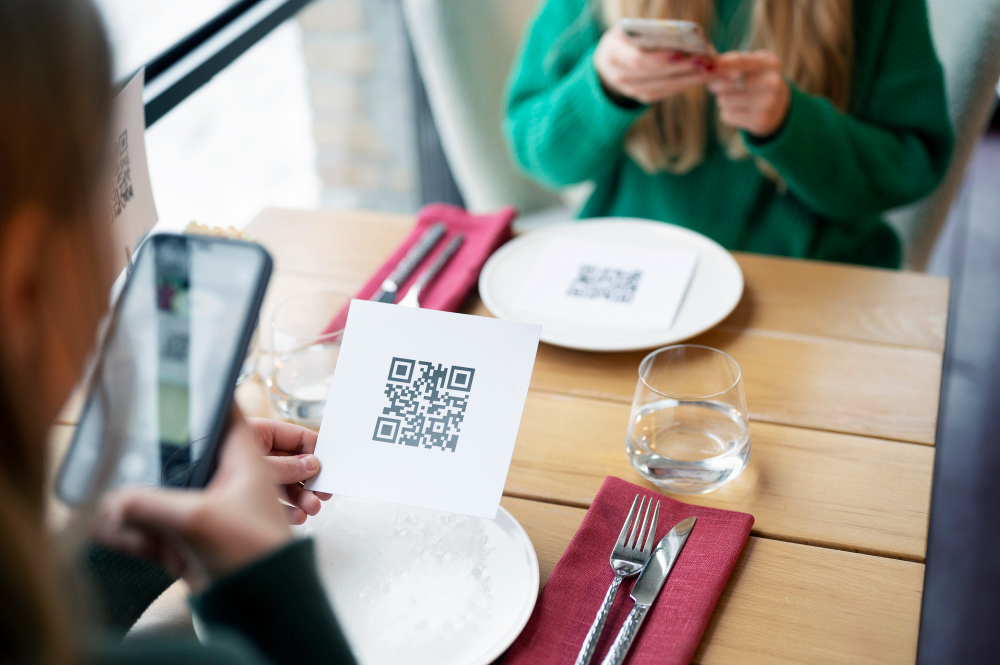
With a qr code menu restaurant, guests can instantly access the menu on their phones, without waiting for a printed card, without touching shared surfaces if they prefer contactless service, and without struggling to read small text under poor lighting.
This matters because customer experience is often shaped by tiny details. A simple, immediate, clean interaction can change how guests feel about the brand.
A good contactless menu restaurant supports:
faster access
more autonomy
fewer interruptions
cleaner interactions
smoother service flow
These are not just operational benefits. They directly affect guest satisfaction.
Mobile-First Design Improves Comfort and Readability
A restaurant menu now lives primarily on the smartphone. That makes mobile experience one of the most important parts of the modern dining journey.
A well-designed menu restaurant mobile creates comfort. It allows the guest to browse naturally, scroll intuitively, and find information without effort.
This is the core of strong menu restaurant UX.
What customers expect from a mobile menu
Today’s diners expect:
readable text without zooming
clear category organization
visible prices
short and useful descriptions
simple scrolling
fast loading speed
a visually clean interface
A poor mobile menu does the opposite. It slows down decisions, creates frustration, and makes the restaurant feel outdated.
This is why a dedicated restaurant menu platform matters more than a static document. A purpose-built system is designed around the real context of use: small screens, quick decisions, real-time updates, and a hospitality-focused browsing experience.
A mobile-first menu digital moderne helps customers feel that the restaurant is thoughtful, current, and easy to engage with.
A Digital Menu Makes Decision-Making Easier
Guests do not want to struggle to understand the menu. They want clarity.
One of the most powerful ways a menu interactif improves customer experience is by making choices easier.
A strong menu restaurant interactif can guide the customer through:
clear categories
highlighted signature dishes
featured recommendations
visual markers for popular items
dietary icons
cleaner grouping of food and drinks
When guests understand the menu faster, they feel more relaxed. They spend less time decoding the offer and more time enjoying the moment.
This is a major advantage of a well-structured menu interactif restaurant. It transforms browsing into a more natural, helpful process.
Decision support is a big part of good hospitality. A digital menu can deliver that support visually and intelligently, without making the experience feel pushy.
Better Design Creates a Stronger Emotional Experience
Customer experience is not only about usability. It is also about emotion, atmosphere, and perception.
A refined menu digital design communicates quality before the food arrives. It tells the guest that the restaurant cares about detail, presentation, and consistency.
This is especially true for premium or design-conscious venues. A polished menu restaurant design reinforces the restaurant’s identity and creates a more immersive brand experience.
Why design matters so much
A great restaurant menu design can make the restaurant feel:
more premium
more modern
more organized
more trustworthy
more memorable
In hospitality, design influences perception. A beautiful menu digital moderne can elevate how the customer views the dishes, the space, and the professionalism of the restaurant.
That is why many restaurants are moving away from generic PDFs and toward visual, flexible tools that support high-end presentation. PixPlat’s design-first positioning directly responds to this need by giving restaurants a more elegant way to create a restaurant digital menu without technical complexity.
Real-Time Updates Improve Trust and Reduce Frustration
Nothing harms customer experience faster than outdated information.
If a menu shows dishes that are unavailable, incorrect prices, or old descriptions, customers immediately feel friction. It creates disappointment and can make the restaurant seem disorganized.
A menu digital no code solves this by making updates much easier and faster.
With the right éditeur menu restaurant or restaurant menu creator, teams can change:
prices
availability
seasonal dishes
daily specials
limited offers
descriptions
categories
This has a direct impact on customer trust.
A live menu digital plateforme keeps the experience accurate. Customers see what is actually available now, not what was available last week. That improves transparency and reduces awkward moments during ordering.
For restaurants, this is operational efficiency. For guests, it is a better experience.
Contactless Access Adds Speed and Convenience
The rise of the menu qr restaurant is not only about hygiene or digital trends. It is also about convenience.
A menu qr code lets guests access the menu immediately. There is no need to wait for a printed menu to be brought to the table. There is no need to share a physical object if that is not preferred. There is no dependency on manual timing.
This sense of control matters.
A well-placed qr code menu restaurant creates a more fluid start to the meal. It works especially well in:
busy restaurants
cafés
terraces
quick-service concepts
modern casual dining
multi-language environments
The simpler the first interaction, the smoother the rest of the experience tends to feel.
A modern contactless menu restaurant is therefore not just a replacement for paper. It is an upgrade in convenience.
Interactive Menus Increase Engagement
A static menu displays information. A smart menu interactif creates engagement.
Interactive features can improve customer experience in subtle but meaningful ways:
highlighting bestsellers
showing customer favorites
surfacing chef recommendations
organizing content visually
allowing easier category jumps
integrating feedback or engagement signals
These elements make the menu feel more alive.
A good menu restaurant interactif turns the act of browsing into something smoother and more enjoyable. It can also help guests discover items they may have otherwise missed.
This is where the best restaurant menu software goes beyond utility. It supports a more responsive and engaging dining flow.
PixPlat’s broader product vision reflects this evolution by combining design, no-code editing, QR code access, analytics, and intelligent menu management into one plateforme menu digital built for modern restaurant needs.
Digital Menus Support Better Communication
A digital menu is also a communication tool.
Restaurants often need to explain:
ingredients
dish concepts
dietary information
pairings
availability
seasonal updates
featured experiences
Printed menus have limited flexibility. A well-built menu restaurant online is more adaptable.
This makes communication clearer and more complete. Customers can better understand what they are ordering, which reduces hesitation and makes the experience feel more transparent.
For international or high-concept restaurants, this is especially valuable. A modern restaurant menu platform can help make the offer easier to understand without overloading the guest.
Clarity is one of the strongest drivers of a positive customer experience.
Digital Menus Help Restaurants Feel More Modern
Perception matters in hospitality. Customers often form impressions quickly, and digital touchpoints contribute to those impressions.
A polished restaurant digital menu signals that the restaurant is current, organized, and aligned with modern habits. It suggests operational maturity and design awareness.
This is one reason the menu digital has become part of the broader wave of restaurant tech and restaurant digital tools reshaping the industry.
When guests scan a QR code and open a clean, mobile-friendly, branded interface, the restaurant feels more advanced. More attentive. More relevant.
That perception strengthens the overall experience even before the order is placed.
A modern restaurant menu platform does not replace hospitality. It supports it by removing clumsy moments and reinforcing professionalism.
Better Menus Can Improve the Pace of Service
Customer experience is deeply linked to rhythm.
If guests receive information faster and make decisions more easily, service flows better. There are fewer delays, fewer repeated questions, and fewer points of confusion.
A strong menu mobile restaurant helps by making the offer easier to explore independently. Customers can:
access the menu immediately
revisit categories at any time
check details without waiting
explore drinks, specials, or desserts more smoothly
This creates a better tempo at the table.
The goal is not to remove human service. The goal is to let staff focus on high-value interactions instead of spending time solving avoidable menu friction.
That balance between digital convenience and human hospitality is where the best restaurant experience digital happens.
Digital Menus Create More Consistency Across Touchpoints
Consistency is a hidden but essential part of customer experience.
A restaurant’s brand should feel coherent across:
the website
the in-store experience
social media
the menu
printed materials
packaging
digital interactions
A well-designed menu digital plateforme helps maintain that consistency more easily than disconnected files or makeshift solutions.
With a visual restaurant menu builder, restaurants can align colors, typography, tone, and layout with their broader identity. This creates a stronger, more unified experience.
A consistent restaurant menu design tells the guest that the business is intentional. That sense of control and polish makes the experience feel more premium.
Data Can Help Restaurants Improve Customer Experience Over Time
One of the biggest long-term advantages of a digital menu platform is visibility.
Unlike paper menus, digital menus can generate insights. Restaurants may better understand:
which items get the most attention
what customers engage with
which sections perform best
where the menu may need simplification
what changes improve interaction
This is where the restaurant digital menu becomes part of a smarter operational strategy.
A digital menu that includes analytics does not just serve the customer once. It helps the restaurant improve the experience continuously.
PixPlat’s official positioning includes analytics, engagement signals, and AI-supported menu management, which makes the menu not only easier to build but also more useful as a long-term business asset.
Why No-Code Matters for Customer Experience
No-code may sound like an internal operational detail, but it has a direct effect on customers.
When restaurants use a menu digital no code system, they can adapt quickly. That means:
fresher menus
more relevant offers
fewer outdated items
better design maintenance
more responsive seasonal changes
faster promotional launches
In other words, no-code creates agility, and agility improves customer experience.
A flexible restaurant menu builder or restaurant menu creator allows the restaurant team to respond to real needs without waiting on a technical workflow. That responsiveness is visible to guests, even if they never see the backend.
What they do see is a menu that feels current, clean, and accurate.
Common Mistakes That Hurt the Digital Menu Experience
Not every digital menu automatically improves customer experience. Some create new problems because they are poorly executed.
Linking only to a PDF
A PDF often performs badly on mobile. It usually weakens menu restaurant UX and feels outdated.
Overloading the interface
Too many visuals, categories, colors, or blocks of text create fatigue instead of clarity.
Ignoring mobile testing
A menu should be tested in real conditions, on real phones, at real table distance.
Weak hierarchy
If customers cannot quickly identify categories, prices, and key dishes, the experience becomes tiring.
Hard-to-update systems
A menu that is difficult to manage quickly becomes inaccurate, which damages trust.
Generic visual presentation
A menu that looks cheap or inconsistent can lower perceived quality, even if the food is excellent.
This is why choosing the right restaurant menu software matters. The best solutions are designed specifically for restaurant use, not adapted from generic document tools.
Who Benefits Most from a Better Digital Menu Experience
A strong menu digital restaurant can improve customer experience across many restaurant types:
fine dining venues
cafés and coffee shops
artisanal restaurants
modern fast casual concepts
hotel restaurants
food halls
bars and lounges
multi-location brands
It also creates value for freelancers and agencies who build menus for hospitality clients. With the right plateforme menu digital, they can deliver stronger visual quality, better UX, and more scalable results.
This makes the digital menu not only a restaurant tool, but also a service opportunity inside the larger world of restaurant tech and digital transformation.
Final Checklist: What Makes a Great Customer Experience Digital Menu
A digital menu improves customer experience when it includes the right fundamentals.
Essential elements
mobile-first layout
clear categories
fast access through a menu qr code
elegant and branded design
easy readability
smooth navigation
real-time updates
interactive highlights where useful
accurate dish information
a reliable restaurant menu platform
When these elements are in place, the menu stops being a simple support asset. It becomes an active part of the dining experience.
Conclusion
A great menu digital improves the restaurant customer experience by removing friction, simplifying choice, supporting mobile behavior, and creating a more polished interaction from the very first scan.
It helps guests access information faster, browse more comfortably, understand the offer more clearly, and feel more connected to the restaurant’s brand. It also gives restaurant teams the flexibility to keep the experience accurate, current, and visually strong over time.
That is why the digital menu has become such an important part of modern hospitality. It is not only about convenience. It is about creating a dining journey that feels smoother, smarter, and more premium.
For restaurants that want to combine elegant design, no-code flexibility, QR access, and a better mobile experience, PixPlat offers a modern way to build a restaurant digital menu that truly enhances customer experience.