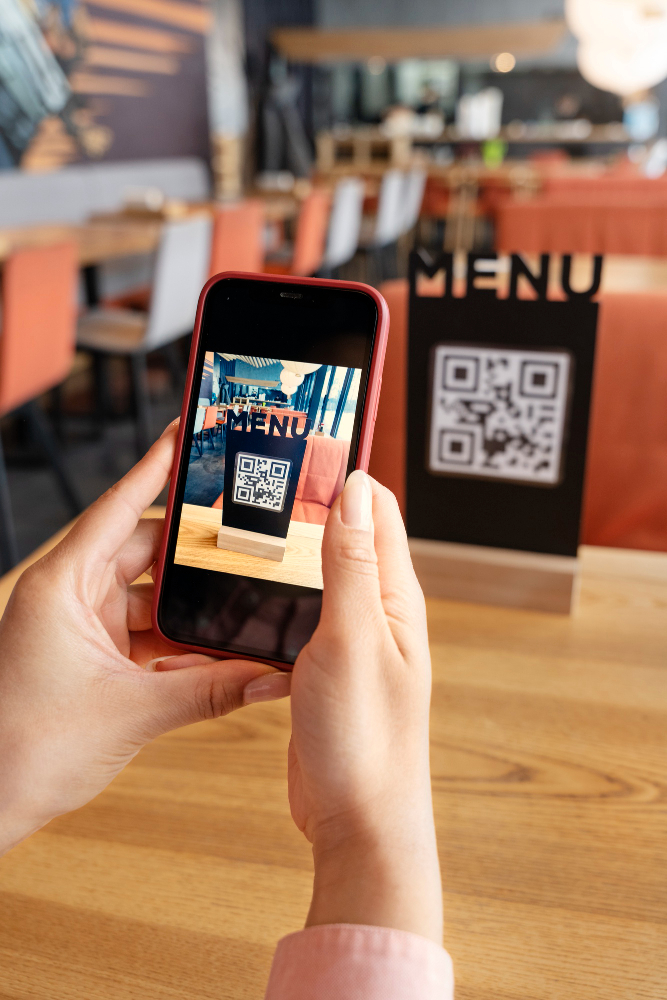
What Is a Digital Menu? A Complete Guide for Restaurants
The restaurant industry is evolving fast. Today’s customers expect speed, clarity, and mobile-first experiences at every touchpoint — including the menu. That’s where the digital menu comes in. If you’re a restaurant owner, café manager, or food entrepreneur, this guide will explain what a digital menu is, how it works, and why it has become essential for modern restaurants.
What Is a Digital Menu?
A digital menu is an online restaurant menu that customers access on their smartphones, tablets, or other digital devices. Instead of a printed menu or a static PDF, the menu is hosted online and displayed through a mobile-optimized interface.
Most digital menus are accessed via:
A QR code menu
A tablet or screen
A shared link
Unlike traditional menus, a digital menu is interactive, easy to update, and designed for mobile browsing.
How Does a Digital Menu Work?
The concept is simple and efficient:
The restaurant creates a menu using a digital menu platform
The menu is published online
Customers scan a QR code or click a link
The menu opens instantly on their phone — no app required
With a no-code solution like PixPlat, restaurants can update prices, dishes, or descriptions in real time — without printing costs or technical skills.
Why Digital Menus Are Replacing Traditional Menus
Printed menus and PDF menus are quickly becoming outdated. They are expensive, slow to update, and poorly optimized for mobile users.
Key advantages of a digital menu for restaurants:
📱 Mobile-first experience for customers
⚡ Instant updates (prices, availability, seasonal items)
💰 Lower operational costs (no printing)
🎨 Better design & branding
📊 Access to menu analytics
A modern digital menu improves both customer experience and restaurant efficiency.
What Makes a Good Digital Menu?
Not all digital menus deliver the same results. A high-performing restaurant digital menu should be:
Fast-loading on mobile
Easy to navigate (clear categories & sections)
Visually appealing (images, typography, layout)
Customizable to match your brand
Scalable for updates and growth
Restaurants that invest in interactive menu design often see higher engagement and better customer satisfaction.
Why QR Code Menus and Digital Menus Go Together
The most common form of digital menu today is the QR code menu.
By scanning a QR code placed on tables or counters, customers instantly access the menu on their phone. This approach is:
Contactless
Fast
Universal (no app download)
QR code menus are now a standard in restaurants, cafés, coffee shops, and fast-casual dining.
How Digital Menus Improve Customer Experience
A well-designed digital menu helps customers:
Browse faster
Read descriptions clearly
Discover new dishes
Make decisions with confidence
Features like images, sections, and highlights improve menu clarity and reduce friction during ordering.
A better menu experience often leads to:
Higher satisfaction
Faster service
Increased average order value
Digital Menus for Modern Restaurants
Digital menus are ideal for:
Restaurants & bistros
Cafés & coffee shops
Fast-food & street food
Gastronomic & premium restaurants
Whether you run a single location or multiple venues, a digital menu helps standardize your brand and simplify operations.
Why PixPlat Is Built for Digital Menus
PixPlat is a no-code SaaS platform designed specifically for digital menus and QR code menus.
With PixPlat, restaurants can:
Create interactive digital menus without technical skills
Use premium restaurant templates
Customize design, layout, and branding
Update menus instantly
Track menu performance with analytics
PixPlat turns menus into modern digital experiences, not just online lists of dishes.
Conclusion: Is a Digital Menu Worth It?
Yes — a digital menu is no longer optional. It’s a core part of the modern restaurant experience.
Restaurants that adopt digital and QR code menus benefit from better usability, lower costs, and a stronger brand image.
👉 Discover how PixPlat helps restaurants create premium digital menus.
👉 Try PixPlat and transform your menu into a mobile-first experience.