What Is a Digital Menu Board Software? A Complete Guide for Modern Restaurants
The restaurant industry is undergoing a major digital transformation. From online ordering to QR code payments, technology is reshaping how customers interact with restaurants. One of the most impactful innovations in recent years is the Digital Menu Board Software. But what exactly does it mean? In simple terms, a Digital Menu Board Software allows restaurants to create, manage, and display their menus digitally, replacing static printed menus with dynamic, interactive, and visually appealing digital experiences. Let’s explore how this technology works and why it is becoming essential for modern restaurants.
What Is a Digital Menu Board Software?
A Digital Menu Board Software is a platform that allows restaurants to display their menu on digital screens, tablets, websites, or smartphones.
Instead of printing menus or updating PDF files, restaurants can manage everything from a central digital dashboard.
Menus can appear on:
Digital screens behind the counter
Tablets on restaurant tables
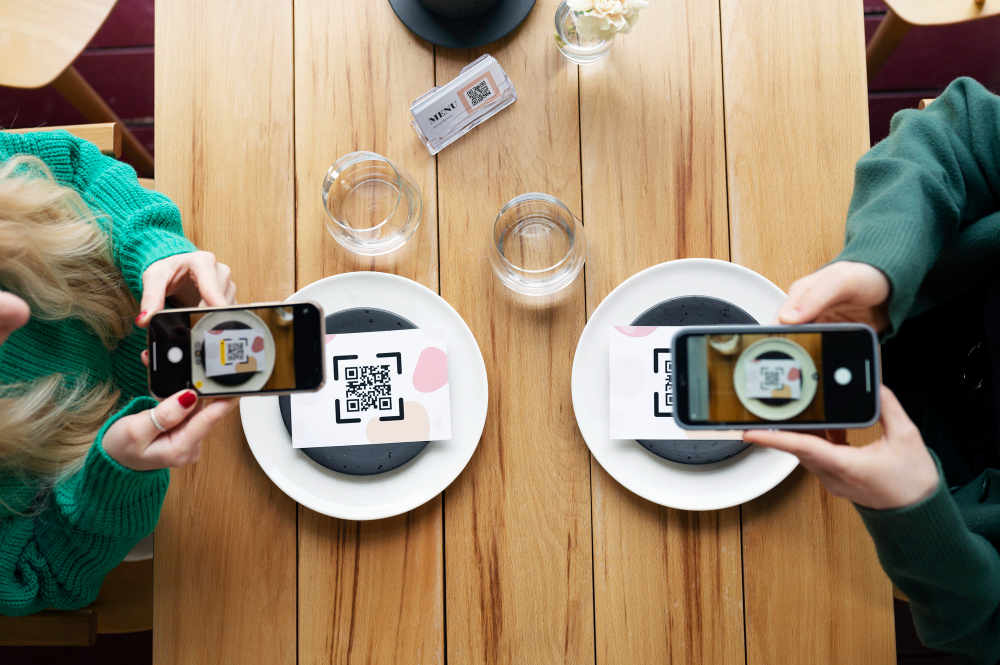
Mobile menus accessed via QR code
Restaurant websites
Customer smartphones
This software transforms a traditional menu into a dynamic digital interface that can be updated instantly.
Why Restaurants Are Adopting Digital Menu Boards
Restaurants are increasingly replacing traditional menus with digital ones because they provide significant operational and marketing advantages.
1. Instant Menu Updates
With digital menu board software, restaurants can update:
Prices
Dish descriptions
Images
Availability
Promotions
These updates can be done in seconds, without printing new menus.
For example:
A dish is sold out
A special promotion starts
Prices change
The menu can be updated instantly across all screens and devices.
2. Better Customer Experience
A digital interactive menu offers a much richer experience compared to printed menus.
Customers can:
View high-quality food photos
Read detailed descriptions
Explore categories easily
Discover highlighted or popular dishes
This improves both clarity and engagement, helping customers make decisions faster.
3. Higher Average Order Value
Digital menus allow restaurants to strategically highlight certain dishes.
For example:
Best-selling items
Premium dishes
Special promotions
Add-ons or upgrades
Because visuals and positioning influence customer behavior, digital menus can help increase the average order value.
4. Easier Restaurant Operations
Managing menus across multiple locations or services can be difficult with traditional menus.
Digital menu software simplifies operations by allowing restaurants to:
Manage menus from a single dashboard
Update multiple locations simultaneously
Schedule promotions
Maintain consistent branding
This saves time and reduces operational errors.
Types of Digital Menu Board Software
There are several types of digital menu solutions used in the restaurant industry.
1. In-Store Digital Menu Boards
These are digital screens displayed behind the counter, commonly seen in:
Fast-food chains
Coffee shops
Quick-service restaurants
They display dynamic menus, promotions, and visuals.
Benefits include:
High visibility
Dynamic promotions
Easy updates
2. QR Code Digital Menus
QR code menus became extremely popular in recent years.
Customers simply scan a QR code and access the menu on their smartphone.
Benefits include:
No hardware required
Instant menu updates
Mobile-optimized experience
Lower operational costs
Modern platforms allow restaurants to include:
Images
Categories
Reviews
Interactive navigation
Analytics
3. Tablet-Based Interactive Menus
Some restaurants use tablets placed directly on tables.
Customers can:
Browse the menu
Customize dishes
Sometimes place orders directly
This approach is common in highly tech-driven dining environments.
Key Features of a Good Digital Menu Board Software
Not all solutions offer the same capabilities. The best platforms provide a set of powerful features designed specifically for the restaurant industry.
No-Code Menu Builder
Restaurant owners need tools that are easy to use.
A good digital menu platform should offer:
Drag-and-drop editing
Menu templates
Visual customization
Simple category management
This allows anyone to design a professional menu without technical skills.
Mobile-First Design
Most digital menus are viewed on smartphones.
Therefore, the software must ensure:
Fast loading
Clean layout
Mobile-optimized navigation
Responsive design
Smart QR Code Integration
QR codes provide a simple way to access menus instantly.
With smart QR codes, restaurants can:
Deploy menus instantly
Update content without reprinting codes
Provide easy customer access
Data and Analytics
Advanced digital menu platforms include analytics such as:
Menu visits
Most viewed dishes
Customer feedback
Engagement metrics
These insights help restaurants optimize their menu strategy and sales performance.
The Evolution Toward Modern Digital Menu Platforms
Digital menu board software is evolving quickly. Modern platforms combine several technologies in one solution:
Mobile digital menus
QR code access
Visual menu builders
Customer analytics
AI assistance
Platforms like PixPlat represent this new generation of tools.
PixPlat allows restaurants to create interactive digital menus using a no-code drag-and-drop editor, deploy them instantly through QR codes, and analyze customer interactions through an integrated analytics dashboard.
This approach transforms traditional menus into interactive digital experiences designed for modern restaurants.
Why Digital Menus Are Becoming the Industry Standard
Several major trends explain why digital menu boards are rapidly becoming the norm:
Increasing smartphone usage
Demand for visually rich menus
Need for fast menu updates
Restaurant digital transformation
Rising printing costs
In the coming years, many experts expect that digital menus will replace most traditional printed menus.
Conclusion
A Digital Menu Board Software is no longer just a technological upgrade — it is a strategic tool for modern restaurants.
It allows businesses to:
Modernize their brand image
Improve customer experience
Manage menus more efficiently
Increase revenue opportunities
Solutions like PixPlat make this transition easier by providing a no-code platform designed specifically for restaurants, combining design flexibility, QR code menus, analytics, and AI-assisted updates.
If restaurants want to stay competitive in a digital-first world, adopting a modern digital menu platform is becoming essential.
👉 Discover how PixPlat can help you create elegant, interactive digital menus in minutes.