Why Mobile Menus Have Become Essential: Case Study from Montreal & New York
Discover why mobile menus are now essential through real-world insights from Montreal and New York restaurants. Learn how digital menus improve customer experience and performance.
Why Mobile Menus Have Become Essential for Modern Restaurants
Case Study: Montreal & New York
The shift toward mobile-first experiences is no longer theoretical. It is happening in real restaurants, in real cities, every day.
From the café culture of Montreal to the fast-paced dining scene of New York, one trend is clear: the menu mobile restaurant has become a central part of the modern dining experience.
This transformation is not driven by technology alone. It is driven by customer expectations. Guests now expect speed, clarity, autonomy, and seamless mobile interactions. Restaurants that adapt to this shift are seeing better engagement, smoother service, and stronger brand perception.
In this case study, we explore how restaurants in Montreal and New York are using menu digital, menu qr code, and mobile-first design to improve their operations and elevate the customer experience.
The Context: A Mobile-First Customer Behavior
In both Montreal and New York, customers rely heavily on their smartphones throughout the dining journey.
Before visiting a restaurant, they:
search on Google Maps
check reviews
browse photos
explore the menu restaurant online
Once they arrive, that behavior continues. Instead of waiting for a printed menu, many guests instinctively reach for their phones.
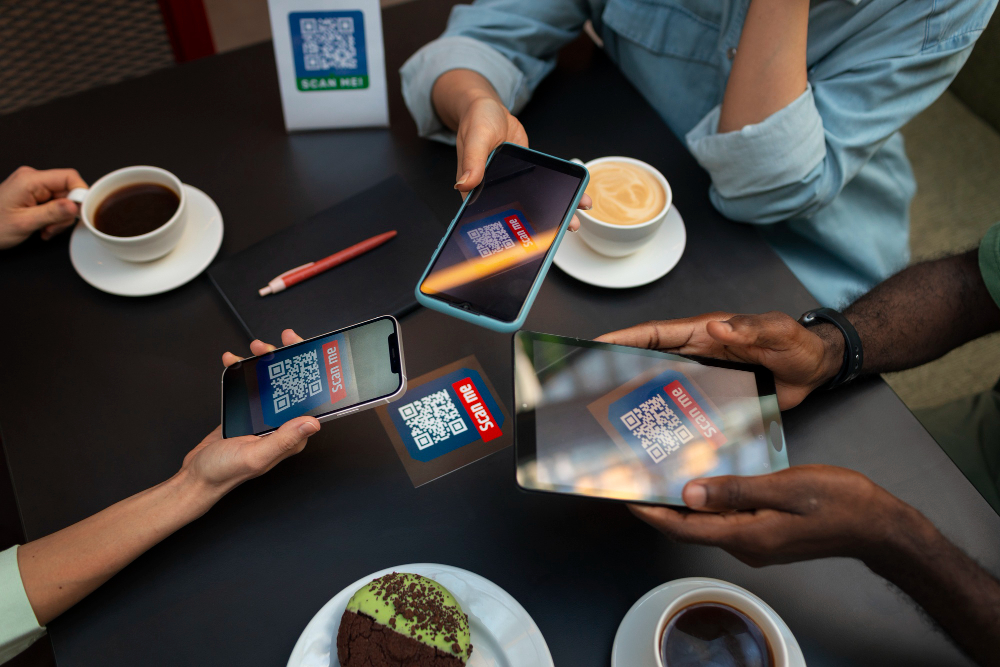
This is where the qr code menu restaurant becomes the natural entry point.
In cities like New York, where speed and efficiency are critical, a menu qr restaurant allows customers to access the menu instantly. In Montreal, where experience and design matter deeply, a well-crafted menu digital design enhances the aesthetic and emotional aspect of dining.
In both cases, mobile is the default interface.
Case Study 1: Montreal — Design-Driven Dining Experience
Montreal is known for its strong culinary identity and its emphasis on atmosphere, creativity, and design.
The Problem
Many restaurants in Montreal traditionally relied on:
printed menus with frequent updates
PDF menus not optimized for mobile
inconsistent branding between physical and digital touchpoints
This created friction in what should be a refined experience.
The Shift to Mobile Menus
Restaurants began adopting menu digital restaurant solutions that prioritize:
elegant menu restaurant design
smooth menu restaurant mobile navigation
clear visual hierarchy
fast access via menu qr code
The Impact
With a well-designed menu interactif restaurant, Montreal restaurants observed:
Improved customer perception: the menu felt aligned with the restaurant’s identity
Faster browsing experience: guests spent less time searching and more time deciding
Stronger brand consistency: digital menus matched interior design and concept
Higher engagement with featured dishes
A modern menu digital moderne allowed these restaurants to extend their brand into the digital space, making the menu part of the experience rather than just a support tool.
Case Study 2: New York — Speed, Efficiency, and Scalability
New York operates at a different rhythm. Speed, volume, and operational efficiency are critical.
The Problem
Restaurants in NYC faced:
high customer turnover
pressure on staff during peak hours
difficulty updating menus quickly
long wait times just to access the menu
The Shift to QR Code Mobile Menus
To solve these challenges, many restaurants adopted:
contactless menu restaurant systems
fast-loading restaurant digital menu platforms
simple, scalable restaurant menu builder tools
The Impact
The transition to a menu mobile restaurant created measurable benefits:
Reduced waiting time to access the menu
Smoother service flow during busy hours
Less dependency on staff for basic interactions
More efficient menu updates across locations
In fast-paced environments, a strong restaurant menu platform is not just a design choice. It is an operational necessity.
Mobile Menus as a Bridge Between Experience and Efficiency
What makes these two cities interesting is that they represent two different priorities:
Montreal → design, experience, atmosphere
New York → speed, efficiency, scalability
Yet both converge on the same solution: the menu digital.
A mobile-first restaurant digital menu acts as a bridge between:
aesthetics and functionality
brand identity and usability
customer experience and operational performance
This is why the menu digital plateforme has become such a powerful tool in modern restaurant tech.
Key Benefits Observed Across Both Markets
Across Montreal and New York, several consistent benefits emerged.
1. Instant Access Through QR Codes
A menu qr code allows customers to access the menu immediately, reducing friction and improving first impressions.
2. Better Mobile UX
A well-designed menu restaurant UX ensures that browsing is intuitive, readable, and fast.
3. Real-Time Updates
With a menu digital no code, restaurants can update prices, dishes, and availability instantly.
4. Stronger Visual Identity
A polished menu digital design reinforces the brand and elevates perceived quality.
5. Increased Customer Autonomy
Guests can explore the menu independently, improving comfort and reducing pressure.
6. Improved Operational Efficiency
Less waiting, fewer interruptions, and smoother service flow.
Why Traditional Menus No Longer Fit Modern Expectations
Both case studies highlight the same conclusion: traditional menus no longer match how customers behave.
Static menus:
are slow to update
are not mobile-friendly
limit design flexibility
create friction during service
In contrast, a modern menu interactif adapts to:
mobile usage
real-time changes
dynamic restaurant environments
This shift is not optional anymore. It is becoming the new standard.
The Role of No-Code Platforms in This Transformation
One key factor behind this evolution is the rise of menu digital no code tools.
Restaurants in both Montreal and New York are not looking to build complex systems. They need:
simplicity
speed
flexibility
strong design
A modern éditeur menu restaurant or restaurant menu creator allows teams to:
create menus visually
update them instantly
maintain consistency
scale across multiple locations
This is exactly where PixPlat positions itself as a premium restaurant menu software solution.
With its drag-and-drop editor, mobile-first templates, QR code integration, and analytics, PixPlat enables restaurants to build a menu digital restaurant that is both elegant and efficient.
👉 Explore PixPlat here: https://pixplat.com/
What Restaurants Can Learn from Montreal & New York
These two markets offer valuable insights for any restaurant looking to modernize.
Key takeaways:
Mobile is now the primary interface
QR codes are the new entry point
Design matters as much as functionality
Speed and clarity define the experience
Flexibility is essential for daily operations
A strong menu mobile restaurant is no longer a trend. It is a competitive advantage.
Common Mistakes Still Seen in Both Cities
Despite progress, many restaurants still struggle with:
Using non-optimized PDFs
Ignoring mobile UX
Overloading the menu with content
Poor visual hierarchy
Difficult update processes
These mistakes highlight the need for a true restaurant menu platform, not just a quick workaround.
The Future of Mobile Menus in Restaurants
Looking ahead, the role of the menu digital plateforme will continue to expand.
We can expect:
more personalization
deeper analytics
AI-assisted menu optimization
stronger integration with ordering systems
richer interactive experiences
The restaurant digital menu is evolving from a static interface into a dynamic, intelligent tool that shapes the entire dining experience.
Conclusion
The case of Montreal and New York shows that regardless of style, pace, or positioning, the direction is the same: mobile-first menus are becoming essential.
A well-designed menu mobile restaurant improves access, clarity, speed, and perception. It supports both customer experience and operational performance. It aligns restaurants with modern expectations and digital behavior.
Most importantly, it transforms the menu from a static document into a strategic asset.
For restaurants that want to create a premium, flexible, and modern restaurant digital menu, platforms like PixPlat offer a powerful solution combining design, no-code simplicity, and performance.