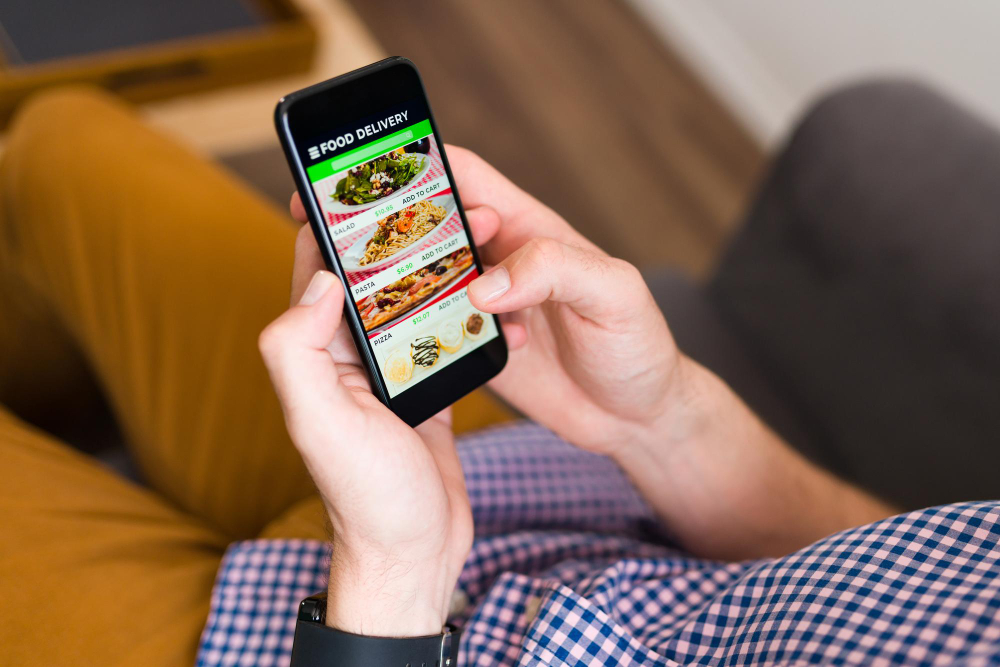
Why Mobile Menus Have Become Essential for Modern Restaurants
Discover why mobile menus have become essential for restaurants. Learn how mobile-first digital menus improve customer experience, design, speed, and restaurant performance.
Why Mobile Menus Have Become Essential for Modern Restaurants
The restaurant industry has entered a mobile-first era. Customers book on mobile, search on mobile, browse reviews on mobile, discover places on social media through mobile, and increasingly expect to access the menu the same way. In that context, the menu mobile restaurant is no longer a nice extra. It has become a fundamental part of the dining experience.
For many years, restaurants treated the menu as a static asset. It was printed, sometimes uploaded as a PDF, and rarely designed around real phone usage. That model no longer matches customer behavior. Today, guests expect speed, readability, convenience, and a digital experience that feels as intuitive as the other apps and services they use every day.
This is why mobile menus have become indispensable. They are not simply a digital version of a paper menu. A strong restaurant digital menu can improve access, reduce friction, support faster updates, create a more premium brand impression, and make the restaurant feel aligned with modern expectations.
In this article, we will explore why the shift toward the menu restaurant mobile is accelerating, what it changes for customer experience, and how restaurants can build a mobile-first menu that is both elegant and effective.
Mobile Is Now the Natural Interface for Restaurant Customers
The smartphone has become the main interface through which customers interact with brands. Restaurants are no exception.
Before even arriving, many guests already use their phones to:
search for nearby places
compare ratings
check photos
browse the menu
look at pricing
share locations with friends
reserve a table
decide what kind of dining experience they want
Once they are seated, that behavior continues. The phone is already in the customer’s hand. Accessing a menu digital restaurant through mobile now feels more natural than receiving a static document that may be outdated, limited, or difficult to read.
This is one of the clearest reasons why the menu mobile restaurant has become essential. It aligns with real-world customer behavior.
A restaurant that ignores this shift risks creating friction at one of the most important moments of the dining journey: the moment the guest starts exploring the offer.
Customers Expect Instant Access to Information
Modern customers are used to immediate access. When they want information, they expect it to appear quickly, clearly, and on the device they are already using.
A mobile-friendly menu qr code supports exactly that expectation.
With a well-designed qr code menu restaurant, guests can access the menu instantly from their phone. They do not need to wait for staff to bring a printed menu. They do not need to share a physical object. They do not need to open a PDF that forces them to zoom in and out awkwardly.
That immediate access improves the start of the experience.
A strong contactless menu restaurant is now valuable because it offers:
speed
autonomy
convenience
cleaner interaction
easier browsing in real time
These may seem like small improvements, but in hospitality, small improvements shape how the whole brand feels. A restaurant that makes access simple already signals that it understands modern customer expectations.
Mobile Menus Improve Readability and Ease of Use
One of the biggest weaknesses of traditional digital menus is that they were not designed for phones. Many restaurants simply uploaded a PDF and called it a digital menu. But a PDF is rarely a true mobile experience.
A real menu restaurant mobile should be built for small screens from the start.
That means:
readable text without zooming
strong visual hierarchy
clean spacing
clear categories
easy scrolling
fast loading
tap-friendly navigation
This is where menu restaurant UX becomes critical.
If the menu is difficult to read, cluttered, poorly organized, or visually tiring, customers feel friction immediately. If it is clear and fluid, the browsing experience feels effortless.
A well-structured menu digital moderne respects the context in which customers use it: one hand, a small screen, variable lighting, limited attention, and a desire to decide quickly.
That is why mobile menus are not only useful. They are now essential to delivering a high-quality restaurant experience.
The Shift to QR Code Menus Accelerated Mobile Adoption
The widespread adoption of the menu qr restaurant changed customer habits permanently.
What started as a practical response for contactless access quickly became a broader shift in restaurant behavior. Guests became familiar with scanning codes at tables, counters, terraces, and takeaway points. Restaurants discovered that this model made menus easier to distribute and update. Over time, the QR menu stopped feeling temporary and started feeling standard.
This matters because the menu qr code normalized mobile browsing inside physical restaurants.
A menu qr restaurant is now often the fastest path between the customer and the offer. But that only works if the experience behind the code is well designed. A QR code alone is not enough. The real value lies in the restaurant menu platform or restaurant menu software behind it.
If the mobile menu is elegant, fast, and easy to navigate, the experience feels modern. If it opens a poor PDF or a slow page, the restaurant loses the opportunity.
Mobile Menus Match the Rhythm of Modern Dining
Restaurant experiences have become more dynamic. Customers move between dine-in, takeaway, click-and-collect, outdoor seating, and hybrid service formats. In all these contexts, the smartphone is the most flexible interface.
A menu restaurant online that works beautifully on mobile adapts to all these situations:
a guest checking the menu before visiting
a customer ordering from a terrace
a busy lunch client scanning quickly at the table
someone comparing options during a takeaway decision
a friend sharing the menu link in a group chat
This flexibility is one of the strongest reasons why the restaurant digital menu has become such an important part of restaurant tech.
The menu is no longer just a table object. It is a digital touchpoint that can live before, during, and after the meal. Mobile is what makes that continuity possible.
Mobile Menus Create a Better First Impression
In hospitality, perception matters. The way a restaurant presents itself digitally influences how guests interpret the quality of the experience overall.
A polished menu digital design tells customers that the restaurant is modern, thoughtful, and detail-oriented. A poor mobile experience does the opposite.
When a customer scans a code and opens a beautiful, structured, fast-loading restaurant digital menu, the restaurant feels more premium. More current. More aligned with today’s standards.
This is why menu restaurant design is not just an aesthetic issue. It is directly tied to trust and brand perception.
A strong restaurant menu design on mobile can communicate:
professionalism
clarity
quality
modernity
consistency
For restaurants that want to position themselves as premium, creative, or forward-thinking, the mobile menu becomes part of the brand itself.
PixPlat’s positioning around elegant design, no-code creation, mobile-first editing, and premium templates responds directly to this shift, helping restaurants move beyond static menus toward a more refined digital menu platform experience.
A Mobile Menu Makes Decision-Making Faster
Customers do not want to struggle with the menu. They want to understand the offer quickly and confidently.
A strong menu interactif helps them do that by making the menu easier to scan and easier to navigate.
On mobile, this can include:
clear section jumps
featured items
bestsellers
chef recommendations
dietary indicators
intuitive grouping of dishes
short and relevant descriptions
This is where the menu interactif restaurant becomes much more useful than a static document. It helps guide customer attention without making the experience feel overwhelming.
A better menu restaurant UX reduces hesitation. It shortens the time needed to understand the offer. It can even reduce repetitive questions to staff, creating a smoother dining flow.
That is one reason why mobile menus are indispensable: they support faster, more natural decision-making in a way paper or poorly designed PDFs often cannot.
Mobile Menus Are Easier to Keep Accurate
A restaurant menu changes constantly. Prices evolve. Specials rotate. Seasonal items appear. Certain products become unavailable. Printed menus and static files make these updates harder than they should be.
A proper menu digital no code solves that problem.
With the right éditeur menu restaurant or restaurant menu creator, the restaurant can update the menu in minutes. That flexibility matters because accuracy is a key part of customer experience.
An outdated menu creates disappointment. A live menu digital plateforme creates trust.
This is a major reason why the menu digital restaurant has become indispensable. It is not only better for presentation. It is better for accuracy and responsiveness.
Restaurants today need tools that match the speed of real operations. A flexible restaurant menu builder allows teams to stay aligned with what is actually available now.
Mobile Menus Support Contactless and Self-Directed Experiences
Some guests prefer high-touch service. Others prefer autonomy. Modern hospitality needs to support both.
A strong contactless menu restaurant gives customers the ability to browse independently, at their own pace, on their own device. This supports a more comfortable experience for many people, especially in fast-paced environments or casual dining formats.
It also improves flexibility for:
terrace service
busy peak hours
quick-service restaurants
cafés
food halls
takeaway counters
The value of the qr code menu restaurant is therefore not only operational. It also responds to a cultural shift toward self-directed digital behavior.
Customers are already comfortable exploring products on mobile in almost every other industry. Restaurants are now expected to offer the same level of convenience.
Mobile Menus Fit Perfectly into the Broader Restaurant Tech Stack
Restaurants are adopting more restaurant digital tools than ever before. Booking systems, payment links, loyalty platforms, review tools, CRM systems, and analytics dashboards are now part of the modern hospitality ecosystem.
The menu belongs inside that transformation.
A dedicated restaurant menu platform is no longer separate from the rest of the restaurant’s digital operations. It is part of the larger evolution of restaurant tech and the growing demand for smarter, simpler systems.
A modern restaurant menu software solution can support:
brand consistency
menu updates
QR access
customer engagement
analytics
multi-menu management
scalable workflows for agencies and freelancers
This is especially relevant for restaurants that want a more professional digital foundation instead of relying on disconnected tools.
PixPlat’s broader product vision reflects that direction by combining no-code editing, QR code deployment, premium templates, analytics, and AI-assisted updates within one restaurant menu platform built specifically for modern hospitality needs.
Mobile Menus Improve the Experience Before the Visit
The value of a menu restaurant online starts even before a customer sits down.
A mobile-friendly menu can influence:
whether someone chooses your restaurant
how they perceive your pricing
whether your offer feels clear
whether your brand appears modern
whether the experience feels accessible
Many customers check the menu before deciding to visit. If the menu is difficult to access on mobile, slow, or visually weak, the restaurant may lose interest before the first interaction even happens.
A strong restaurant menu mobile experience supports the discovery phase. It helps customers imagine the meal more easily and feel more confident about the choice.
This is why the mobile menu has become indispensable not just in service, but also in restaurant marketing and conversion.
Great Mobile Menus Strengthen Brand Consistency
The menu is one of the most visible expressions of a restaurant’s identity. On mobile, that visibility becomes even stronger because the experience is more personal and screen-based.
A well-designed menu digital design can reflect:
the brand’s tone
visual style
culinary positioning
level of sophistication
attention to detail
This is why a true plateforme menu digital matters more than generic document tools. Restaurants need a system that helps them maintain high-quality presentation while staying easy to update.
A modern menu restaurant moderne should feel consistent with the website, interior atmosphere, social content, and overall customer promise.
That consistency creates a stronger emotional experience and makes the restaurant feel more intentional.
Mobile Menus Help Restaurants Adapt Faster
Adaptability has become a major competitive advantage in hospitality.
Restaurants now need to respond quickly to:
changing ingredients
seasonal launches
event menus
special promotions
multi-language needs
different service moments such as lunch, dinner, brunch, or drinks
A mobile-first restaurant menu builder allows that flexibility without the delays of print production or technical development.
This is where menu digital no code becomes strategically important. It gives operators more control, more speed, and more independence.
For agencies and freelancers, it also creates a scalable way to manage menus for multiple clients through a professional restaurant menu software system.
Adaptability is one of the biggest reasons mobile menus are no longer optional. They make restaurants faster and more responsive in a market that changes constantly.
Common Mistakes Restaurants Make with Mobile Menus
Even though mobile menus are essential, not every restaurant delivers a good one.
Linking to a non-optimized PDF
This is still one of the most common mistakes. A PDF often breaks the mobile experience and weakens readability.
Designing for desktop instead of phone
The menu should be created for the actual device customers use most.
Overloading the screen
Too many categories, long text blocks, or dense visuals create friction.
Ignoring visual hierarchy
Customers should instantly see categories, prices, descriptions, and highlighted dishes.
Using tools that are hard to update
If changes are difficult, the menu becomes outdated, and the experience suffers.
Treating the QR code as the solution
The QR code is only the access point. The real value comes from the quality of the mobile menu behind it.
These mistakes explain why restaurants increasingly need dedicated restaurant menu platform solutions instead of temporary workarounds.
Who Benefits Most from Mobile Menus
The short answer is: almost every modern food business.
A mobile-first menu digital restaurant creates value for:
fine dining restaurants
coffee shops
casual dining brands
fast casual concepts
food trucks
hotel restaurants
bakeries
bars and lounges
restaurant groups
agencies serving hospitality clients
freelance designers building menu systems
The mobile menu has become a foundational layer of the modern restaurant experience, regardless of concept size.
Final Checklist: What Makes a Mobile Menu Truly Essential
A mobile menu becomes indispensable when it includes the right fundamentals.
Essential elements of a strong mobile restaurant menu
mobile-first layout
fast access through a menu qr code
clean typography and spacing
intuitive category structure
clear prices and descriptions
elegant menu digital design
easy updates through a menu digital no code workflow
brand consistency
live availability and flexible publishing
a dedicated restaurant menu platform
When these elements come together, the mobile menu becomes more than a convenience tool. It becomes part of how the restaurant delivers quality.
Conclusion
Mobile menus have become indispensable because they match the way customers actually behave. They support instant access, mobile readability, smoother decision-making, better accuracy, and a more modern brand experience from the first scan to the final choice.
In a world where the smartphone is already central to how people discover, compare, and interact with restaurants, a weak mobile menu creates friction. A strong restaurant digital menu removes it.
That is why the shift is so important. Restaurants are no longer just digitizing the menu. They are redesigning one of the most important customer touchpoints around speed, usability, and design.
For brands that want to build a premium menu mobile restaurant experience with no-code flexibility, QR access, elegant templates, and a modern visual approach, PixPlat offers a smarter way to create mobile-first menus that feel aligned with today’s restaurant expectations.