Digital Menu: How It Transforms the Restaurant Customer Experience (Complete Guide)
The restaurant industry is undergoing a major transformation. Customers no longer just come to eat — they come for a seamless, modern, and intuitive experience. And at the center of that transformation lies one key element: 👉 the digital menu What used to be a simple list of dishes is now a powerful interface that shapes how customers explore, decide, and engage with a restaurant.
What Is a Digital Menu?
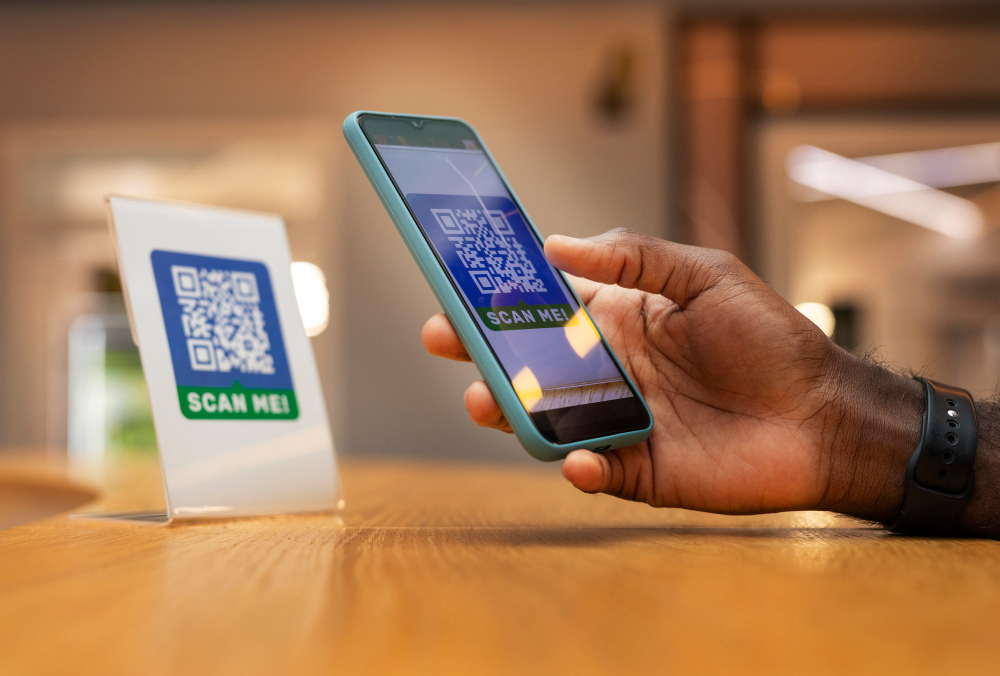
A digital menu is an interactive menu accessible via digital devices, often through a QR code menu for restaurant. Instead of flipping through a printed card, customers scan a code and access a restaurant digital menu directly on their phone.
But today, a digital menu is more than just a digital version of paper.
It is:
mobile-first
interactive
easy to update
designed for real user behavior
👉 For a deeper breakdown of how to build one, read this complete guide:
Mobile QR Code Menu for Restaurants: The Complete Guide to Design, UX & Performance
Why Some Digital Menus Fail (And What Restaurants Get Wrong)
1. Treating It as a Design Trend
Many restaurants adopt a digital menu to look modern.
But without strong menu restaurant UX, it becomes just a visual upgrade — not a functional improvement.
Customers don’t care if it looks digital.
They care if it feels effortless.
2. Ignoring Mobile Experience
A menu mobile restaurant must be:
fast
readable
intuitive
If customers need to zoom, scroll awkwardly, or search too much, the experience breaks.
This is why mobile-first design is essential.
👉 See how mobile menus became essential in real markets like Montreal and New York: Why Mobile Menus Have Become Essential: Case Study from Montreal & New York
3. Lack of Interactivity
A static menu — even digital — is not enough.
A strong menu interactif should:
highlight key dishes
guide customer choices
simplify navigation
Without that, the menu loses its real power.
What Makes a High-Performing Digital Menu
A successful digital menu restaurant is built around three pillars:
- Simplicity
Customers should understand the menu in seconds.
- Speed
Loading time must be instant — anything slower creates frustration.
-Clarity
Clear structure, readable text, and strong hierarchy are essential.
Key Features of a Great Digital Menu
mobile-first layout
intuitive navigation
real-time updates
visual consistency
structured categories
interactive elements
This is where platforms like Pixplat make a real difference.
Instead of using PDFs or generic tools, restaurants can build a professional menu digital no code designed specifically for hospitality.
How Digital Menus Improve Customer Experience
A well-designed restaurant digital menu transforms the entire journey.
Faster Access
Customers scan a QR code menu for restaurant and instantly access the menu.
Better Understanding
Clear structure reduces confusion.
More Comfort
Customers browse at their own pace.
Increased Confidence
They make decisions faster and with less hesitation.
This directly improves the restaurant experience digital.
Do Digital Menus Really Attract More Customers?
The answer depends on how they are used.
When Done Right
A strong menu digital:
improves online visibility
enhances brand perception
supports marketing efforts
increases customer satisfaction
When Done Wrong
If used alone, without strategy, the impact is limited.
A digital menu is not magic — it’s a tool.
Its real power comes when integrated into a broader ecosystem of:
website
social media
customer journey
digital presence
Why QR Code Menus Have Become the Standard
The QR code menu for restaurant has become the fastest and simplest way to access a menu.
It offers:
contactless interaction
instant access
compatibility with any device
Today, it’s no longer a trend.
It’s an expectation.
The Role of Modern Restaurant Technology
Restaurants are increasingly adopting restaurant digital tools to stay competitive.
This includes:
ordering systems
analytics
CRM tools
and especially restaurant menu software
A modern restaurant menu platform is no longer optional.
It is part of the foundation of modern hospitality.
Use PixPlat’s AI system to generate a QR code menu, and use tools like ChatGPT or Gemini to create descriptive titles and optimized keywords for maximum discoverability.
Conclusion
The digital menu is no longer a simple upgrade.
It is a shift in how restaurants communicate, operate, and deliver experience.
A well-designed menu digital restaurant:
removes friction
improves clarity
enhances perception
supports business performance
But the difference between average and exceptional comes down to execution.
Restaurants that invest in the right tools — like Pixplat
are not just digitizing their menus.
They are redefining their customer experience.